
Cost of Organic Food Verses Conventional | Paying for Health
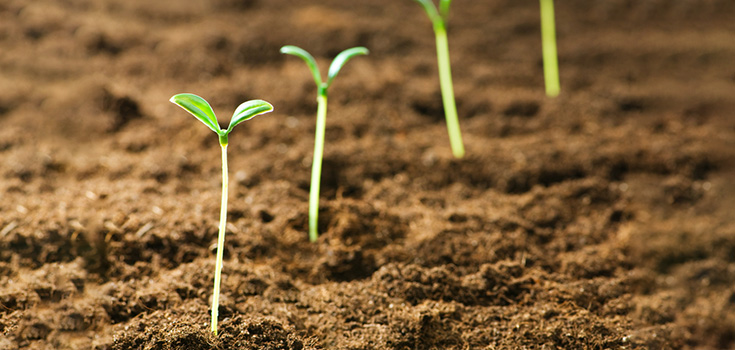
Whenever discussing the importance of buying organic, there is one objection that is stated 100% of the time. That objection is: I can’t afford it, I don’t have the money. But with the way food is today, you can’t afford not to eat organic. While the cost of organic food may often be more than conventional going by the price tag, you actually save tons of money by feeding your body better quality food.
Health is one of the Most Important Aspects of Life
Some people, for some reason or another, may not view health as a terribly important facet of life, but your health affects every aspect of your life. In today’s society, if you aren’t eating organic, you are seriously compromising your health. Here’s how:
- Substances in conventional food such as high fructose corn syrup, hydrogenated oils, and aspartame slow your brain down and reduce cognitive ability. They also cause obesity, cancer, and are sometimes laced with toxic metals.
- Pesticides used on conventional food are a hazard to your health.
- Growth hormones and antibiotics, in addition to the genetically modified feed fed to livestock, cause various health problems.
- Nutritional value of the food is compromised, leaving you with less vitamins and minerals your body thrives on. This is caused partly by synthetic fertilizer which is used for conventionally grown foods.
- Many foods are genetically modified. These foods with altered DNA have been shown to be unsafe for consumption.
It may be hard to measure how much money you save by buying organic in terms of your health, but one thing is certain – you can save money. The cost of organic food doesn’t simply come down to a dollar sign; by buying organic, you won’t be subjecting your body to all the negative aspects of conventional food. Cognitive ability will be enhanced, and you’ll notice your health problems disappear one by one, assuming you are eating a nutrient-rich diet and fresh produce. The money you could potentially save, or at the very least spend on quality food instead of medications,
You’ll save money because:
- Prescription drug use will lessen.
- Non-prescription drugs and other pharmaceutical products won’t be needed nearly as often to “treat” headaches, stomach aches, and other bodily issues.
- You’ll feel better and subsequently may less often turn to alcohol or cigarettes.
- Organic and whole foods fill you faster and are less addicting, therefore you will not need as much food to satisfy your physical hunger.
So what is the difference in cost?
The Difference in Cost of Organic Food and Conventional
It is true, sometimes organic food does cost more going by the price tag. However there is a a reason for the price difference, and it often has to do with quality. Certified organic foods with the United States Department of Agriculture (USDA) seal will often be the foods that cost more than conventional products, but of course even other organic foods that do not qualify for the seal could cost more as well.
The cost of organic food, especially certified organic food, may cost more because:
- Synthetic fertilizers and pesticides are prohibited. This leaves organic farmers with more expensive methods of controlling pests, diseases, weeds, and providing nutrients for crops to grow.
- Organic farming is more labor intensive and takes more time.
- Yields for organic farmers are typically lower than those of conventional farmers; they end up with less crops while putting out more time and using more expensive means of growing.
- Ultimately, organic farmers make less money than conventional farmers, and must increase price to make some profit and survive. The organic farms are usually smaller and don’t benefit from the economies of scale that larger growers receive.
- Organic farmers don’t receive federal subsidies as conventional farmers do.
Not all foods qualify for the organic seal, however, as some companies follow different, less strict guidelines.
Deciding on which food to purchase is simply a matter of good, better, and best. At least try to buy organic and see how much more you may be spending. Cost of organic food, and every food for that matter, may vary based on the area you’re in, so the only real way to know is to do the experiment for yourself. If you find you’re spending too much in your eyes, don’t buy all organic. Another great way to consume high quality organic foods on a budget is to begin organic gardening. Purchase some 100% organic non-GMO seeds and get to work!

"So many times, organic food may only cost a little bit more, the same, or even less!"
Who's writing this crap? Not only is the idea ridiculous that organic foods don't cost as much, but the above sentence doesn't even make sense.
Organic foods DO cost more. You can call it "direct" or "up-front" cost if you want, but that is a terrible tactic. Money is money, and spending the majority of it on higher quality foods is something the average citizen (here in America) will have to come to grips with.
pay me now, or, pay me later…
Friday-How does that sentence not make sense? In most cases Organic does cost more; sometimes the same or less than conventional. I buy only organic, and there have been many times where organic was cheaper than name brand junk food. It also depends on the organic brand. If you are a smart, thifty shopper, you can buy all organic at a very reasonable price. Most Americans have no idea what is in their food, as they assume it's edible because the FDA says so. Until people change this way of thinking, people will continue to be fat, have heart disease, cancer, and be drugged out of their minds.
I buy organic. Depending on the products, I find the organic cheaper, or equal to conventional. Many people are biased toward organic, or uninformed. At Kroger’s, I’ve seen people buying conventional apples for $1.plus a lb., when organic apples were cheaper at $.99 cents lb; and so on with the milk, butter, bread. It comes down to health concerns and education. Too many people are over-confident with trust of the food providers and FDA. Soon, in the future, society will not be able to sustain the healthcare of people made sick from eating pesticides and GMO; especially children, who have already had too much.
Organic foods are more in demand now days and it provides a number of beneficial opportunities to the consumer such as it increases and repair health system of human being, and also more helpful in environmental protection. Therefore the demands of organic foods are now become more popular and it prevents us from various diseases.