All Stories Tagged With: "babies"

Mother’s Excess Weight Linked to Fatter Babies
Offspring of mothers with a higher pre-pregnancy body mass index (BMI) have been found to not only be fatter, but to have more fat deposits in the liver. The researchers from Imperial College London published their findings in September’s issue of the journalPediatric Research.

B Vitamins During Pregnancy & Nursing Protect Against Colon Cancer in Offspring
A new animal study shows that B vitamin supplementation1 during pregnancy programs gene signals to be resistant to colon cancer, offering long-term protection against such a problem. This study is yet another that highlights the importance of epigenetic programming that is going on in the womb and early life. It speaks to the power of good nutrition to do far more than simply protect against a blatant deficiency.

Breastfeeding Linked to Lower Risk of SIDS
Babies who are breastfed – especially those only fed breast milk, and not formula as well – are less likely to die of sudden infant death syndrome, or SIDS, suggests a new analysis of past studies. While the findings can’t prove that breastfeeding causes the lower risk of SIDS, the authors write in Pediatrics that other explanations seem unlikely. “Breastfeeding is the best method of feeding infants,” said Dr. Fern Hauck, the study’s lead author from the University of Virginia School of Medicine in Charlottesville.

Is Breast Milk the Key to Mother-Baby Bonding?
The secret to mother-baby bonding might be breast milk, according to new research that determines that breast-feeding mothers are more likely than formula-feeding moms to bond with their infants in the months after they’re born. They also demonstrate stronger brain responses when they hear their baby cry, according to a study published in the May issue of the Journal of Child Psychology and Psychiatry.

Toxic Genetically Modified Crop Pesticides Found in Unborn Babies
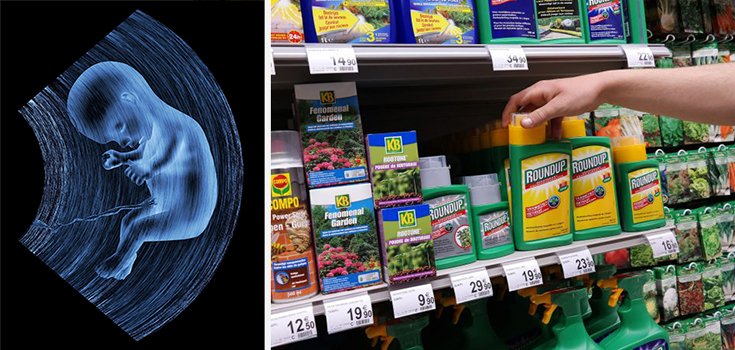
Scientists at the Department of Obstetrics and Gynaecology, at the University of Sherbrooke Hospital Centre in Quebec, have come across a startling discovery while testing the blood of pregnant women and their unborn babies. Toxic pesticides which are injected into genetically modified crops, have found their way into the bloodstream of most women tested. Exposure comes through the consumption of meat, milk, and eggs from livestock that have been fed genetically altered corn.

Babies Given Anti-Obesity Drugs in the Womb
In an attempt to halt the birth rate of overweight babies being born in the United States, it seems society is taking the fight to the next level… in theory. It could also be considered a new low in terms of morality. As part of a three year study to measure the effectiveness of a drug called Metformin, mom’s-to-be will take an experimental drug in an attempt to reduce the biological food supply to their unborn babies.

Infants Born with Low Vitamin D Levels Prone to Developing Lung Infection
We should get more vitamin D; no, we already get enough. A debate rages over how much vitamin D adults, children and pregnant women should consume for health benefits and disease prevention. Now research suggests that infants who are born with low levels of vitamin D may be at higher risk for lung infections caused by a common virus. In the new study published online Monday in Pediatrics, researchers in the Netherlands assessed vitamin D levels in 156 babies at birth by measuring concentrations in their cord blood.

Study Urges Vitamin D Supplements for Infants
Most babies should take a daily vitamin D supplement, a new study shows. That will be a big change for most parents and even many pediatricians. Only 1% to 13% of infants under 1 year now get a vitamin D supplement, available in inexpensive drops, according to a study published online today in Pediatrics.

BPA Found in 9 of 10 Babies’ Cord Blood
According to laboratory tests conducted by the Environmental Working Group (EWG), Bisphenol A (BPA) has been found in 9 out of 10 unborn babies’ umbilical cords. Not only has BPA never been detected before in the umbilical cords of babies, but it has now been found in such a high quantity never before imagined.