
House Mold Could be Making You Sick, and You Might Not Know It
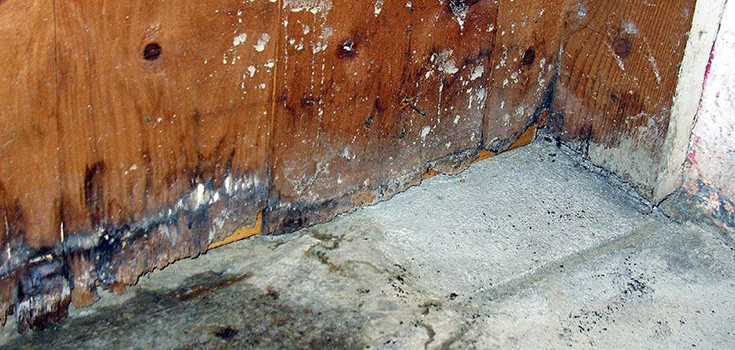
Mold may not be seen as a threat by many homeowners, but experts have estimated that mold may be present in up to 25% of homes, and 40% of American schools. The growing prevalence of house mold and mold in schools may lead to an increase in respiratory disease and other rare life-threatening conditions. In 2010, Fisk et al published a meta-analysis showing a substantially significant association between residential dampness and mold with respiratory infections and bronchitis. Some mycotoxins (toxic substances produced by mold) are actually far more toxic than more common toxins such as heavy metals and pesticides.
With mold being more prevalent than most people might suspect, there’s a chance you could be exposed to it without even realizing. Worse, you don’t even have to smell the tell-tale musty odor for mold to be present. Because it can vary in appearance and grow behind walls and appliances, it sometimes goes undetected until someone becomes ill.
Mold is Making You Sick
Molds are responsible for many different physical symptoms, from depression to respiratory distress (typically the most common sign of exposure to mold). The presence of mold has been tied to an increased occurrence of childhood asthma and coughing and wheezing in otherwise healthy people.
Part of these physical reactions can be explained by a sensitivity or even an allergy to mold spores. Some, however, are tied to toxic substances within the mold called mycotoxins.
Mycotoxins don’t only affect your airways, but can impact all organs. According to Dr. Joseph Mercola, some can cause nervous system effects including those that resemble radiation exposure or cause cognitive and behavioral changes and convulsions. They enter the body through the respiratory system but can also enter through the skin and even affect the brain by entering through the optic muscles and nerves (in the eyes). These toxins can also cause DNA damage.
More than 200 mycotoxins have been identified from common molds. This means there is a good chance that your in-house mold has them. And because they can survive on “dead” mold spores, even old mold could be contaminated with them.
Preventing and Cleansing Your Home of House Mold
The best way to prevent such horrific side effects is to find and eliminate mold in your home. There are over 400,000 types of mold, with approximately 1,000 types appearing in homes. While not all are toxic (about 80 are tied to causing illness), it’s still very important to ensure your house is mold-free. If a pipe breaks, a basement floods, or if there is little air circulation in particularly damp areas, your home could be a breeding ground for mold.
Take the time to inspect those little-seen places including crawl-spaces and behind washers, refrigerators, and dishwashers. If you find mold, clean it up using a bleach solution, being cautious to wear protective gloves and a mask. Also, fix the problem that led to mold in the first place. If you don’t, the problem will be reoccurring.
Here are just a few other tips for getting rid of house mold:
- Keep the air flowing in your house through open windows.
- Let sunlight shine in through open windows.
- Change air filters in air-conditioning and heating vents.
- Wear eye protection, gloves, and a mask to protect your breathing passages when removing mold from your home.
Additional Sources:

That's nothing proper cleaning and some dehumidifiers can't fix. The funny thing is that a lot of households tend to overlook that simple fact until it's too late.