RSSAll Stories Tagged With: "milk"

What Could be Lurking in Your Milk?

What Could be Lurking in Your Milk?

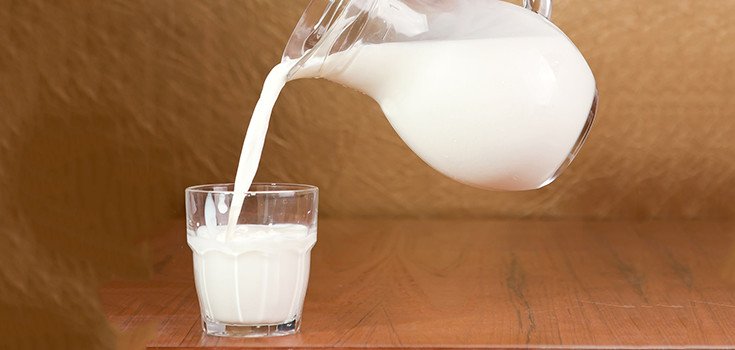
A glass of milk can contain a cocktail of up to 20 painkillers, antibiotics and growth hormones, scientists have shown. Using a highly sensitive test, they found a host of chemicals used to treat illnesses in animals and people in samples of cow, goat and human breast milk. The doses of drugs were far too small to have an effect on anyone drinking them, but the results highlight how man-made chemicals are now found throughout the food chain.

The Cocktail of Up to 20 Chemicals in a Glass of Milk

The Cocktail of Up to 20 Chemicals in a Glass of Milk

A glass of milk can contain a cocktail of up to 20 painkillers, antibiotics and growth hormones, scientists have shown. Using a highly sensitive test, they found a host of chemicals used to treat illnesses in animals.

Why You Need to Avoid Low Fat Milk and Cheese

Why You Need to Avoid Low Fat Milk and Cheese

Just about every piece of dietary advice you can find recommends low-fat or non-fat dairy. But a growing number of experts are arguing that it’s healthier to eat and drink dairy products with all the fat left in. The fat in dairy foods is roughly 50 to 60 percent saturated fat, but the idea that this is bad for your heart may be nothing more than a mistaken interpretation of the science. In a 2010 analysis, scientists said:

Prolonged Bottle-Feeding ‘Increases Obesity Risk’

Prolonged Bottle-Feeding ‘Increases Obesity Risk’

Babies who are bottle-fed until the age of two are more likely to be obese when they start school, a US study suggests. Writing in the Journal of Pediatrics, researchers found that children who were still regular bottle users at 24 months were 30% more likely to be obese aged five-and-a-half. They analysed data from nearly 7,000 children across the United States. Experts say bottle-feeding can make babies consume too many calories.

Radiation Detected in Drinking Water in 13 More US Cities, Cesium-137 in Vermont Milk

Radiation Detected in Drinking Water in 13 More US Cities, Cesium-137 in Vermont Milk

Radiation from Japan has been detected in drinking water in 13 more American cities, and cesium-137 has been found in American milk—in Montpelier, Vermont—for the first time since the Japan nuclear disaster began, according to data released by the Environmental Protection Agency late Friday. Milk samples from Phoenix and Los Angeles contained iodine-131 at levels roughly equal to the maximum contaminant level permitted by EPA, the data shows.

EPA: New Radiation Highs in Little Rock Milk, Philadelphia Drinking Water

EPA: New Radiation Highs in Little Rock Milk, Philadelphia Drinking Water

Milk from Little Rock and drinking water from Philadelphia contained the highest levels of Iodine-131 from Japan yet detected by the Environmental Protection Agency, according to data released by EPA Saturday. The Philadelphia sample is below the EPA’s maximum contaminant level (MCL) for iodine-131 in water, but the Little Rock sample is almost three times higher. However, the Food and Drug Administration observes a much higher standard for milk, and all milk samples collected so far are well below that level.

Why Everyone Should Supplement with Vitamin D

Why Everyone Should Supplement with Vitamin D

If you haven’t heard by now, Vitamin D touts major health benefits. The best source of vitamin D is from the sun, but you also see lots of foods fortified with Vitamin D. Unfortunately, milk and other foods fortified with vitamin D often contain a synthetic