
Indoor Pollution: How it Negatively Affects You and How to Fix it
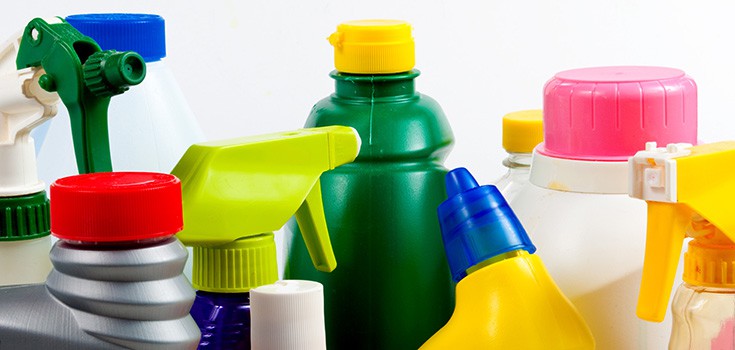
If you experience headaches on a regular basis and the reason simply can’t be pinpointed, consider the house in which you spend time at every single day. The EPA identifies roughly a dozen different chemicals with irritant properties to be omnipresent in our homes, up to five times as frequent as other pollutants in the air. There has even been a link developed between the many types of indoor pollutants and the rise in respiratory/asthmatic problems across the board. Headaches, symptoms of a cold or flu, and even minor neurological damage can occur if indoor pollution is not dealt with swiftly. Unfortunately, it may be that much more difficult to take care of the problem thanks to the large array of toxic substances we live with each day. If you do suffer from constant irritation due to these air pollutants, there are a few tricks you can use to improve that area of your life.
Indoor Pollution: How to Fix it
There are a number of things you can do to naturally purify the air in your home and reduce indoor pollution, but the first and foremost thing you should be doing is properly ventilating your home – something we tend to ignore as a people when the cold comes in the winter season. Lighting fires in fireplaces, cooking meals in ovens, combined with the nearly permanent shutting of windows and doors all contribute to the same problem of polluting the relatively small space in which we sleep, eat, and do most other things. The smoke from the fire may be obvious, but the fumes from cooking in an oven/over a stove release small amounts of carbon monoxide and nitrogen oxide into the air; over time, exposure to these can be quite taxing on health.
Another simple solution to the toxic ailments in the air could be as simple as leaving your shoes in one area, rather than romping around the house with them. The soles of your shoes pick up a small layer of dust, chemicals, dirt, bacteria, and mold – all of which can be transferred unto the floors and carpets. A burst of activity on the floor can release those agents into the air that you breathe.
Keeping your house free of chemically engineered fragrances will also take you far in the war against indoor pollution. Most chemicals found in air fresheners can be quite irritating to the throat, mouth, eyes, and nasal passages; there is even the small risk that these chemical smells can react with the ozone and form even deadlier compounds such as formaldehyde and microscopic solids that may be absorbed in the lungs.
There are a great many solutions that are mostly commonsensible: things like opening your car garage before starting your car to reduce the amount of CO2 that flows into your house, as well as checking your chimney for smoke buildup. Over time, a chimney can become quite saturated with wood smoke particles, releasing a whole host of indoor pollution problems – with a fireplace professional can save you from weeks or months, even years of irritation and other problems. In addition, and possibly the most obvious, refrain from using cleaning agents and other chemicals if at all possible. You could also dilute the cleaning agents in water to lessen the amount of chemicals being sprayed while cleaning.
Even worse than pollution outdoors, indoor air pollution is thought to cause 50% of illnesses globally. Don’t wait to implement these solutions.
Additional Sources:

Cars running in the garage,or anywhere else for that matter do not produce carbon-dioxide [co2] which by the way is a naturally occurring inert gas that is actually essential for the natural life cycles on biosphere EARTH.Cars running in your garage do however produce the very deadly carbon-monoxide [co1]which is a by-product of all fossil fuel fires be they internal or external.Please do you research and stop leading people astray with your obviously bias [co2] crap.