All Articles in the "Nutrition" Category
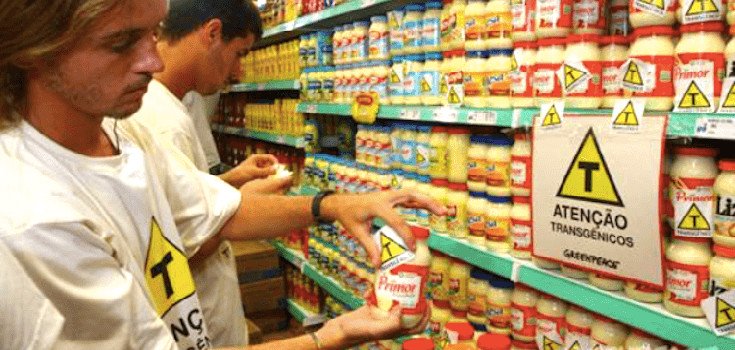
Monsanto Pesticide Found to Infect Plants with AIDS-like Disease
When Dr. Don Huber, professor emeritus at Purdue University and internationally-recognized plant pathologist, wrote a letter back in January to US Department of Agriculture (USDA) Secretary Tom Vilsack, warning him about a new mystery disease showing up primarily in genetically-modified (GM) crops, the notice fell on deaf ears. Research conducted by a team of senior plant and animal scientists found that Monsanto’s glyphosate chemical appears responsible for infecting plants with an AIDS-like syndrome that destroys their immunity
4 Dangerous and Common Vitamin Fillers You Must Avoid
Despite the decline in health today, the supplement industry is a billion dollar a year business (topping in at $6 billion in 2008.) You would think that with so many Americans spending their hard earned money on one type of supplement or another, chronic disease would be on the decline. Sadly, the rate of chronic disease continues to climb each year. So what’s going on here? Americans are gulping down the vitamins but our health remains in a crisis mode.
The Most Important Food for Healthy Eyes
Do you have any idea what causes wild Pacific salmon to have its color? It is one of the hottest new nutrient discoveries from a marine algae called astaxanthin, which is a far more powerful cousin of beta-carotene. If farm raised salmon don’t eat this or are not given artificial colors, they are a dark grey fish. Also, you might not know that baby flamingos are born white and they don’t become pink until they start eating food with astaxanthin in it.
5 Healthy Foods that Lead to Better Skin & Nails
Multiple studies have confirmed the fact that eating healthy improves looks even more than makeup and cosmetic surgery. Instead of spending thousands on designer makeup or invasive surgeries, try this free method of incorporating a handful of rejuvenating foods into your diet. The health of the nails and skin are vital not only to looking and feeling healthy, but can also be an indicator of overall health.
Brain Foods That Help You Concentrate
There’s no denying that as we age chronologically, our body ages right along with us. The good news is that you can increase your chances of maintaining a healthy brain — if you add “smart” foods and beverages to your diet. There’s no magic bullet to boost IQ or make you smarter — but certain substances, like caffeine, can energize and help you focus and concentrate. Found in coffee, chocolate, energy drinks, and some medications, caffeine gives you that unmistakable wake-up buzz — though the effects are short term.
Vitamin D Better than Pharmaceuticals at Treating Cancer
Everyone is deathly afraid of coming down with cancer, yet the very lifestyle that promotes cancer is the most popular. Cancer has been one of the leading causes of death in the United States, UK, and many other nations for years. Something is terribly wrong as the war on cancer is failing miserably. Many people are simply unaware of what is truly causing cancer and what to do about it. Pharmaceutical drugs is not the answer.
This Drink is Just as Dangerous as Soda
Most of us know about the health dangers associated with consuming soda. From empty calories to actually compromising the body’s ability to stay healthy and fight off disease, soda is a well known health culprit. But there’s another drink on the market that many of us unknowingly not only consume, but give abundantly to our kids! So what is this dangerous drink that the average American child consumes more than forty liters of annually?
Swiss Researcher Shows Natural Breeding Better than GMOs
A Swiss researcher has developed a new apple that is resistant to disease, appealing to the palate, and easy to grow, all without using genetic modification. According to Natural News, it took Swiss orchardist and researcher Markus Kobelt twenty years of careful research and development to come up with the new apple variety. The RedLove apple is said to be “sweet, tangy and delicious.”
Omega-3 Fats Shown to Decrease Risk of Dying from Inflammatory Diseases
Omega-3 fats can regulate inflammatory processes and responses. Researchers recently investigated omega-3s and other fats (such as omega-6 fats and alpha linolenic acid) to see if their consumption was associated with a reduction in mortality due to inflammatory diseases. More than 2,500 participants were tracked over a period of 15 years. Their diet was assessed using a food-frequency questionnaire. According to the American Journal of Clinical Nutrition:
Green Tea and Tai Chi Enhance Bone Health and Reduce Inflammation
C.S. Lewis, the famous author and Oxford academic, once proclaimed “You can’t get a cup of tea big enough or a book long enough to suit me.” We sip it with toast in the morning, enjoy it with sweets and biscuits in the afternoon, and relax with it at the end of the day. Tea has for generations been an integral infusion worldwide, carrying both epicurean and economic significance. But, does it impart honest-to-goodness health benefits?
Parsley, Celery Carry Crucial Component for Fight Against Breast Cancer
Parsley is usually used as a decorative accent to a scrumptious meal, but don’t set it aside just yet. In a new study, a University of Missouri researcher has found that a compound in parsley and other plant products, including fruits and nuts, can stop certain breast cancer tumor cells from multiplying and growing. The study was published recently in Cancer Prevention Research.
Vitamin D During Pregnancy May Protect Infants from Virus
Infants who are deficient in vitamin D at birth are at six times higher risk for getting RSV, or respiratory syncytial virus during their first year of life compared with infants with very high levels of vitamin D, says a new study in the journal Pediatrics. “Vitamin D intake during pregnancy most likely prevents a highly frequent, severe disease during infancy,” said Dr. Louis Bont, a pediatric infectious disease specialist at Wilhelmina Children’s Hospital in Utrecht, Netherlands.
Healthier Lifestyle ‘Could Save 20,000 from Breast Cancer’
Almost 20,000 breast cancer cases could be avoided every year in Britain if women drank less alcohol, improved their diets and exercised more, experts claim. The World Cancer Research Fund said about two in five cases would be prevented if people adopted healthier lifestyles. Studies show being more physically active, reducing alcohol consumption and keeping to a healthy weight can minimise the risk of developing the disease.
Moderate Levels of Arsenic in Water Can Pose Health Threat
Even moderate levels of arsenic in drinking water increases the risk for heart disease, a new study suggests. Arsenic is a naturally occuring element found in the earth’s crust. High concentrations of arsenic in groundwater pose a public health threat to millions of people worldwide, according to the study. To assess the risk from moderate exposure to arsenic, researchers studied nearly 12,000 men and women in Araihazar, Bangladesh, where groundwater is contaminated with arsenic.
Prolonged Bottle-Feeding ‘Increases Obesity Risk’
Babies who are bottle-fed until the age of two are more likely to be obese when they start school, a US study suggests. Writing in the Journal of Pediatrics, researchers found that children who were still regular bottle users at 24 months were 30% more likely to be obese aged five-and-a-half. They analysed data from nearly 7,000 children across the United States. Experts say bottle-feeding can make babies consume too many calories.
Pesticides, Bugs and Toxins May Be Lurking in Your Food
Think you really know what’s in your food? Think again. According to an upcoming report on the TV show “The Doctors,” when Americans reach for a snack, they’re likely taking in more than they bargained for. Case in point: In California, recently, several potato chip companies settled with the state to reduce the levels of acrylamide. The chemical is on its Proposition 65 list of those known to cause cancer or “reproductive toxicity,” which the state’s Office of Environmental Health Hazards defines as birth defects and other reproductive harm.
The Meat You Should Never, Ever Eat…
Is your meat made of scraps stuck together with “meat glue”? This exposé reveals how you may be being deceived about the meat you buy — and why the dangerous practice makes food poisoning hundreds of times more likely. If you are still on the fence, wondering if you should make the switch to organic, grass-fed beef from a local farm instead of the mass-produced variety from your local supermarket, perhaps this news brief from the Australian Today Tonight show will help change your mind.