
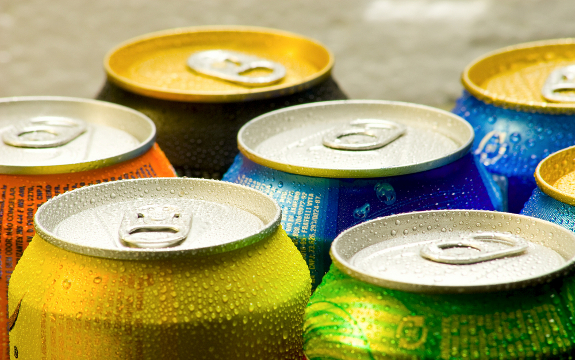
Aspartame, a common artificial sweetener found in numerous everyday products like soft drinks, chewing gum, breakfast cereals, and jams, continues to stir controversy despite its FDA approval. While it promises the sweetness of sugar without the health risks, many dietitians and nutritionists advise caution.
Complaints officially lodged with the FDA cite adverse effects such as headaches and gastrointestinal issues. Critics, including Dr. Joseph Mercola, author of “Sweet Deception,” argue that aspartame may actually lead to weight gain and cause serious neurological side effects, including migraines and brain tumors, by disrupting the balance of dopamine and serotonin.
In a move that has raised eyebrows, an aspartame producer recently rebranded the product as AminoSweet. While the new name suggests healthiness, echoing the essential role of amino acids in the body, concerns about aspartame’s safety persist.
Marissa Lippert, a registered dietitian, New York City nutritionist, and author of “The Cheater’s Diet,” acknowledges the inconclusive nature of research on aspartame’s long-term health risks but advises caution. She highlights the potential for artificial sweeteners like aspartame to cause digestive problems, including bloating and diarrhea. In her practice at Nourish Nutrition Counseling & Communications, Lippert advocates for an all-natural diet over “fake foods.”
Products labeled “sugar-free,” “no sugar added,” or “light” often contain aspartame or similar artificial sweeteners. Surprisingly, this includes items perceived as healthy, such as nonfat, flavored yogurts and certain brands’ light and sugar-free preserves. Even trusted brands like Smucker’s and Tofutti have incorporated aspartame into their products.
The belief that “light” or artificially sweetened foods are better for weight loss is being challenged. Lippert points out that research now suggests sweeteners might actually contribute to weight gain by negatively impacting metabolism and increasing cravings for sweets. Aspartame, being 200 times sweeter than sugar, and Splenda, 600 times sweeter, can significantly alter our taste threshold for sweetness.
For those heavily reliant on diet sodas and other aspartame-laden products, Lippert offers hope. She successfully helps clients wean off sweeteners, recommending natural alternatives like fresh fruit, honey, sugar in the raw, and agave nectar. Switching to flavored seltzer or unsweetened iced tea can be a great substitute for diet soda. Lippert emphasizes the importance of retraining taste buds to appreciate natural sweetness, which can lead to a noticeable and beneficial difference in both taste and health.
To maker matters worse, aspartame was exposed as a toxic sweetener that was made through a process that involves genetically modified bacteria since as early as 1999. An article by The Independent entitled “World’s top sweetener is made with GM bacteria” revealed that two of the largest health threats –artificial sweeteners and genetically modified organisms — were uniting as one.
When you consume an aspartame-sweetened product, its effect can translate into a number of neurological symptoms like headaches, fatigue, vision problems, and anxiety. These will continue to manifest until the user eliminates it from their diet completely. However, if aspartame usage is continued, a physical addiction to the substance occurs.
While aspartame remains a popular sugar substitute, its potential health risks cannot be ignored. Consumers are encouraged to be mindful of their intake and consider natural sweeteners as healthier alternatives.