Nutrition
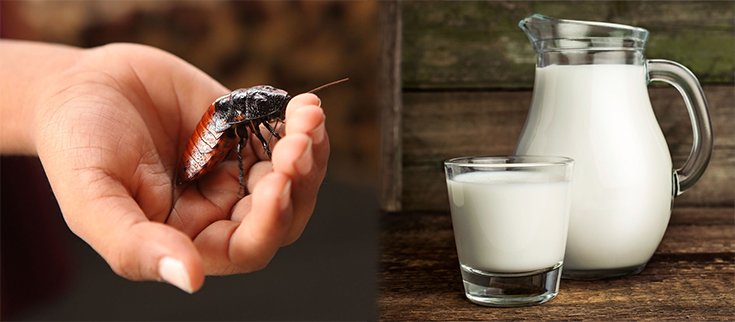
What’s in Your Milk? 20+ Painkillers, Antibiotics, and More
Scientists analyzed 20 samples of milk—cow’s, goat’s, and human—bought in Spain and Morocco, and found a chemical cocktail of ingredients added to the animal’s diet prior to milking or contamination through feed or on the farm. Some of the contaminants found in trace amounts include triclosan (an anti-fungal), 17-beta-estradiol (a sex hormone), and florfenicol (an antibiotic).
Omega-3′s Deliver a Double Punch Against Anxiety and Inflammation
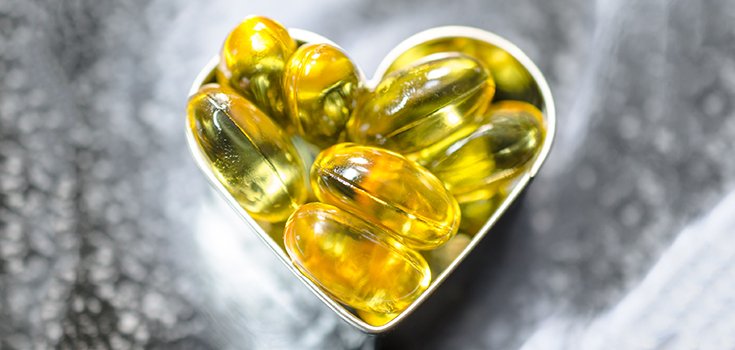
A new study gauging the impact of consuming more fish oil showed a marked reduction both in inflammation and, surprisingly, in anxiety among a cohort of healthy young people. The findings suggest that if young participants can get such improvements from specific dietary supplements, then the elderly and people at high risk for certain diseases might benefit even more. The findings by a team of researchers at Ohio State University were just published in the journal Brain, Behavior and Immunity.
Blueberries Found to Help Build Stronger Bones
Blueberries may be small, but they have serious nutritional value. Research has found that these powerful fruit are also capable of promoting bone strength, likely due to being rich in vitamin C, vitamin K, and manganese. One research project led by Jin-Ran Chen suggests that blueberries may facilitate the growth of strong bones in humans as it did in lab rats.
4 Herbs for Diabetes Management
There are numerous experts out there that say diabetes, and especially the preventable Type 2 diabetes, is not only naturally treatable but even reversible. There are many dietary and lifestyle changes that can be made, as well as many herbs for diabetes management.
Vitamin D Deficiencies Linked to Muscle Injuries and Alzheimer’s
Research has found even more links between between vitamin D deficiency and compromised health. The researchers concluded that lower than normal vitamin D levels can lead to muscle-related injuries in athletes and the eradication of plaque build-up on the brain associated with Alzheimer’s disease.
Replenish ‘Good’ Bacteria to Prevent Urinary Tract Infections
A urinary tract infection, also known as cystitis, is a painful bacterial condition that can begin anywhere in the urinary system. Women are far more likely to develop a urinary tract infection than men. Infections, caused by a lack of vaginal lactobacilli (good bacteria), often reoccur and must be treated repeatedly. But replacing diminished lactobacilli may help keep urinary tract infections at bay.
Boost and Improve Brain Function with Dark Chocolate!
For the most part, we eat chocolate because we love the rich, creamy texture and for the delicious taste. However, chocolate is more that just a “feel good” food. Research shows that chocolate may even boost and improve brain function. Consuming, very dark, high quality chocolate flavonols could be just the advantage you need to win your next chess match or scrabble game.
Is Butter Bad for You? The Real Benefits of Real Butter
Is butter bad for you? Sweet, salty butter has become a decadent treat for many people, something that some have shunned for years for fear of the vilified “saturated fat”. But now that the hype of margarine has been sufficiently shattered, we can take a more honest look at butter.
Apple Skin 6x more Powerful than the Flesh at Preventing High Blood Pressure
If you’re peeling your apples and not eating the skin, you’re missing out on the best part. No, it’s true; apple skin is packed with components that can protect against hypertension more than some of the “superfoods” we’ve all come to recognize as heart health-boosters. The skin is even 6x as powerful as the flesh!
Antioxidants Shown to Reduce Risk of Heart Attack, Provide Powerful Health Benefits
The American Journal of Medicine published as study conducted by scientists at the Institute of Environmental Medicine in Sweden, that reinforced the importance of a healthy diet to develop and sustain a healthy heart. The study that followed over thirty-thousand 49-83 year-old Swedish women for a year confirmed the relationship between a diet high in natural antioxidants found in fruits and vegetables to a much greater reduction in heart attack risk.